
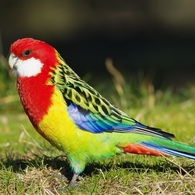
Eastern Rosella Activities
Prep - 2 - We're Going on a Bird Hunt
What to Use
· Nature Journal
· Binoculars
· ‘SEEDS Simple Field Guide to Birds’
· White Board Markers
What to do
1. We’re going on a bird hunt! Birds come in many different shapes, sizes and colours. They eat different foods, live in different areas and make many different sounds! What types of birds do you already know?
2. Birds have many different songs and calls—they use these for finding mates, warning others of danger, defending their territory or just to let the world know they are happy! Play ‘Whistle, Squawk, Screech’.
3. Head off on a ‘Bird Hunt’. Circle the birds you find. On the ‘SEEDS Simple Field Guide to Birds’.
4. In your nature journal draw some of the birds you find and write their name. What are the birds doing?
5. Come together and share which birds you found. Which was the most common. Which was least common? What else did you discover?
6. Conclude by asking students how they can look after birds.
· Nature Journal
· Binoculars
· ‘SEEDS Simple Field Guide to Birds’
· White Board Markers
What to do
1. We’re going on a bird hunt! Birds come in many different shapes, sizes and colours. They eat different foods, live in different areas and make many different sounds! What types of birds do you already know?
2. Birds have many different songs and calls—they use these for finding mates, warning others of danger, defending their territory or just to let the world know they are happy! Play ‘Whistle, Squawk, Screech’.
3. Head off on a ‘Bird Hunt’. Circle the birds you find. On the ‘SEEDS Simple Field Guide to Birds’.
4. In your nature journal draw some of the birds you find and write their name. What are the birds doing?
5. Come together and share which birds you found. Which was the most common. Which was least common? What else did you discover?
6. Conclude by asking students how they can look after birds.
Grade 4-5 - We're Going on a Bird Hunt
What to Use
· Nature Journal
· Binoculars
· ‘SEEDS Simple Field Guide to Birds’
· White Board Markers
What to do
1. We’re going on a bird hunt! Birds come in many different shapes, sizes and colours. They eat different foods, live in different areas and make many different sounds! What types of birds do you already know?
2. Birds have many different songs and calls—they use these for finding mates, warning others of danger, defending their territory or just to let the world know they are happy! Play ‘Whistle, Squawk, Screech’.
3. Head off on a ‘Bird Hunt’. Circle the birds you find. On the ‘SEEDS Simple Field Guide to Birds’.
4. In your nature journal draw two of the birds you find and use the Field Guide to find their name. Write a paragraph about what you observe.
5. Come together and share which birds you found. Which was the most common. Which was least common? What else did you discover?
6. Conclude by asking students how they can look after birds.
· Nature Journal
· Binoculars
· ‘SEEDS Simple Field Guide to Birds’
· White Board Markers
What to do
1. We’re going on a bird hunt! Birds come in many different shapes, sizes and colours. They eat different foods, live in different areas and make many different sounds! What types of birds do you already know?
2. Birds have many different songs and calls—they use these for finding mates, warning others of danger, defending their territory or just to let the world know they are happy! Play ‘Whistle, Squawk, Screech’.
3. Head off on a ‘Bird Hunt’. Circle the birds you find. On the ‘SEEDS Simple Field Guide to Birds’.
4. In your nature journal draw two of the birds you find and use the Field Guide to find their name. Write a paragraph about what you observe.
5. Come together and share which birds you found. Which was the most common. Which was least common? What else did you discover?
6. Conclude by asking students how they can look after birds.
Grade 5-6 - We're Going on a Bird Hunt
What to Use
· Nature Journal
· Binoculars
· ‘SEEDS Simple Field Guide to Birds’
· White Board Markers
· ‘Mornington Peninsula Birds guide
· ‘Where to Find Birds around Frankston and the Mornington Peninsula booklet
What to do
1. We’re going on a bird hunt! Birds come in many different shapes, sizes and colours. They eat different foods, live in different areas and make many different sounds! What types of birds do you already know?
2. Birds have many different songs and calls—they use these for finding mates, warning others of danger, defending their territory or just to let the world know they are happy! Play ‘Whistle, Squawk, Screech’
3. Grab some binoculars and SEEDS Simple Field Guide to Birds’ and head off on a ‘Bird Hunt’. Circle the birds you find. On the ‘SEEDS Simple Field Guide to Birds’
4. In your nature journal draw two of the birds you find and write a paragraph about what you observe. Use the Mornington Peninsula Birds Field Guide to find their name and record other interesting information you discover about them.
5. Using ‘Where to Find Birds around the Frankston and the Mornington Peninsula’, research and record the habitat type your birds can be found in and list three places around Frankston or the Mornington Peninsula where this habitat and your bird could be spotted.
6. Come together and share which birds you found. Which was the most common. Which was least common? Each student/small group presents the observation and information about the particular bird they studied.
7. Conclude by asking students how they can look after birds.
· Nature Journal
· Binoculars
· ‘SEEDS Simple Field Guide to Birds’
· White Board Markers
· ‘Mornington Peninsula Birds guide
· ‘Where to Find Birds around Frankston and the Mornington Peninsula booklet
What to do
1. We’re going on a bird hunt! Birds come in many different shapes, sizes and colours. They eat different foods, live in different areas and make many different sounds! What types of birds do you already know?
2. Birds have many different songs and calls—they use these for finding mates, warning others of danger, defending their territory or just to let the world know they are happy! Play ‘Whistle, Squawk, Screech’
3. Grab some binoculars and SEEDS Simple Field Guide to Birds’ and head off on a ‘Bird Hunt’. Circle the birds you find. On the ‘SEEDS Simple Field Guide to Birds’
4. In your nature journal draw two of the birds you find and write a paragraph about what you observe. Use the Mornington Peninsula Birds Field Guide to find their name and record other interesting information you discover about them.
5. Using ‘Where to Find Birds around the Frankston and the Mornington Peninsula’, research and record the habitat type your birds can be found in and list three places around Frankston or the Mornington Peninsula where this habitat and your bird could be spotted.
6. Come together and share which birds you found. Which was the most common. Which was least common? Each student/small group presents the observation and information about the particular bird they studied.
7. Conclude by asking students how they can look after birds.
Teacher notes
We're going on a Bird Hunt - Prep-2
o Activity can be carried out as a group walk lead by teacher or different students OR in groups of 2-4. A pair of binoculars and ‘SEED Simple Field Guide to Birds’ need to be shared between 2-4 students.
o Ask students what they can do increase their chances of spotting birds – be as quiet as possible, stand still/move slowly when they spot a bird
o Students are to spot, observe and circle any birds they find.
o Encourage students to use binoculars, look in trees, on the ground, in shrubs, near flowering plants, in the sky, around hollows…. (could ask students to brainstorms where they might find birds)
- Depending on time available and abilities, students can draw 1-4 of the birds they observe, naming them & making notes on what they observed
- Circle up and have each group of students share which birds they found – you may even list them on the white board. Which was the most common? Least common? Were they native or introduced birds? You could facilitate a discussion into different activities observed/places birds were found or ask for ‘hands up’ on other interesting points such as who saw:
o A brown bird
o A large bird
o A tiny bird
o A nest
o A flying bird = all these points help display the diversity of birds
o A bird on the ground
o A bird in a tree
o A bird calling/singing
o A bird with spots
o A bird eating
- We can all look after and protect our native birds by: providing habitat by protecting bushland and planting indigenous vegetation in our gardens (prickly shrubs, tall trees, nectar producing trees), not feeding birds, leaving old and dead trees standing to provide hollows, providing nesting boxes and bird baths, keeping cats indoors
We're going on a Bird Hunt - Grades 3-4
o Activity can be carried out as a group walk lead by teacher or different students OR in groups of 2-4. A pair of binoculars and ‘SEED Simple Field Guide to Birds’ need to be shared between 2-4 students.
o Ask students what they can do increase their chances of spotting birds – be as quiet as possible, stand still/move slowly when they spot a bird
o Students are to spot, observe and circle any birds they find.
o Encourage students to look in trees, on the ground, in shrubs, near flowering plants, in the sky, around hollows…. (could ask students to brainstorms where they might find birds)
- Students choose two of the birds they observe and draw them in their Nature Journals then write a paragraph of what they observe (what it looked like, where they saw the bird, what it was doing). Students then research their bird using the field Guide or
http://museumvictoria.com.au/discoverycentre/mv-field-guide-app/
- Circle up and have each group of students share which birds they found – you may even list them on the white board. Which was the most common? Least common? Were they native or introduced birds? You could facilitate a discussion into different activities observed/places birds were found.
- We can all look after and protect our native birds by: providing habitat by protecting bushland and planting indigenous vegetation in our gardens (prickly shrubs, tall trees, nectar producing trees), not feeding birds, leaving old and dead trees standing to provide hollows, providing nesting boxes and bird baths, keeping cats indoors
- Circle up and have each group of students share which birds they found – you may even list them on the white board. Which was the most common? Least common? Were they native or introduced birds? You could facilitate a discussion into different activities observed/places birds were found.
- We can all look after and protect our native birds by: providing habitat by protecting bushland and planting indigenous vegetation in our gardens (prickly shrubs, tall trees, nectar producing trees), not feeding birds, leaving old and dead trees standing to provide hollows, providing nesting boxes and bird baths, keeping cats indoors
We're going on a Bird Hunt - Grades 5-6
o Activity can be carried out as a group walk lead by teacher or different students OR in groups of 2-4. A pair of binoculars and ‘SEED Simple Field Guide to Birds’ need to be shared between 2-4 students.
o Ask students what they can do increase their chances of spotting birds – be as quiet as possible, stand still/move slowly when they spot a bird
o Students are to spot, observe and circle any birds they find.
o Encourage students to look in trees, on the ground, in shrubs, near flowering plants, in the sky, around hollows…. (could ask students to brainstorms where they might find birds)
- Students choose two of the birds they observe and draw them in their Nature Journals then write a paragraph of what they observe (what it looked like, where they saw the bird, what it was doing). Students then research their bird using the field guide or link below nd record the birds common and scientific name and other interesting/relevant information, e.g. habitat and special features.
http://museumvictoria.com.au/discoverycentre/mv-field-guide-app/
- Students conduct research to discover habitats and then other specific local locations they could expect o find their birds in (have a look at this booklet yourself so you are familiar with it’s use and can assist students if required)
- Circle up and have each group of students share which birds they found – you may even list them on the white board. Which was the most common? Least common? Were they native or introduced birds? You could facilitate a discussion into different activities observed/places birds were found.
- We can all look after and protect our native birds by: providing habitat by protecting bushland and planting indigenous vegetation in our gardens (prickly shrubs, tall trees, nectar producing trees), not feeding birds, leaving old and dead trees standing to provide hollows, providing nesting boxes and bird baths, keeping cats indoors
o Activity can be carried out as a group walk lead by teacher or different students OR in groups of 2-4. A pair of binoculars and ‘SEED Simple Field Guide to Birds’ need to be shared between 2-4 students.
o Ask students what they can do increase their chances of spotting birds – be as quiet as possible, stand still/move slowly when they spot a bird
o Students are to spot, observe and circle any birds they find.
o Encourage students to use binoculars, look in trees, on the ground, in shrubs, near flowering plants, in the sky, around hollows…. (could ask students to brainstorms where they might find birds)
- Depending on time available and abilities, students can draw 1-4 of the birds they observe, naming them & making notes on what they observed
- Circle up and have each group of students share which birds they found – you may even list them on the white board. Which was the most common? Least common? Were they native or introduced birds? You could facilitate a discussion into different activities observed/places birds were found or ask for ‘hands up’ on other interesting points such as who saw:
o A brown bird
o A large bird
o A tiny bird
o A nest
o A flying bird = all these points help display the diversity of birds
o A bird on the ground
o A bird in a tree
o A bird calling/singing
o A bird with spots
o A bird eating
- We can all look after and protect our native birds by: providing habitat by protecting bushland and planting indigenous vegetation in our gardens (prickly shrubs, tall trees, nectar producing trees), not feeding birds, leaving old and dead trees standing to provide hollows, providing nesting boxes and bird baths, keeping cats indoors
We're going on a Bird Hunt - Grades 3-4
o Activity can be carried out as a group walk lead by teacher or different students OR in groups of 2-4. A pair of binoculars and ‘SEED Simple Field Guide to Birds’ need to be shared between 2-4 students.
o Ask students what they can do increase their chances of spotting birds – be as quiet as possible, stand still/move slowly when they spot a bird
o Students are to spot, observe and circle any birds they find.
o Encourage students to look in trees, on the ground, in shrubs, near flowering plants, in the sky, around hollows…. (could ask students to brainstorms where they might find birds)
- Students choose two of the birds they observe and draw them in their Nature Journals then write a paragraph of what they observe (what it looked like, where they saw the bird, what it was doing). Students then research their bird using the field Guide or
http://museumvictoria.com.au/discoverycentre/mv-field-guide-app/
- Circle up and have each group of students share which birds they found – you may even list them on the white board. Which was the most common? Least common? Were they native or introduced birds? You could facilitate a discussion into different activities observed/places birds were found.
- We can all look after and protect our native birds by: providing habitat by protecting bushland and planting indigenous vegetation in our gardens (prickly shrubs, tall trees, nectar producing trees), not feeding birds, leaving old and dead trees standing to provide hollows, providing nesting boxes and bird baths, keeping cats indoors
- Circle up and have each group of students share which birds they found – you may even list them on the white board. Which was the most common? Least common? Were they native or introduced birds? You could facilitate a discussion into different activities observed/places birds were found.
- We can all look after and protect our native birds by: providing habitat by protecting bushland and planting indigenous vegetation in our gardens (prickly shrubs, tall trees, nectar producing trees), not feeding birds, leaving old and dead trees standing to provide hollows, providing nesting boxes and bird baths, keeping cats indoors
We're going on a Bird Hunt - Grades 5-6
o Activity can be carried out as a group walk lead by teacher or different students OR in groups of 2-4. A pair of binoculars and ‘SEED Simple Field Guide to Birds’ need to be shared between 2-4 students.
o Ask students what they can do increase their chances of spotting birds – be as quiet as possible, stand still/move slowly when they spot a bird
o Students are to spot, observe and circle any birds they find.
o Encourage students to look in trees, on the ground, in shrubs, near flowering plants, in the sky, around hollows…. (could ask students to brainstorms where they might find birds)
- Students choose two of the birds they observe and draw them in their Nature Journals then write a paragraph of what they observe (what it looked like, where they saw the bird, what it was doing). Students then research their bird using the field guide or link below nd record the birds common and scientific name and other interesting/relevant information, e.g. habitat and special features.
http://museumvictoria.com.au/discoverycentre/mv-field-guide-app/
- Students conduct research to discover habitats and then other specific local locations they could expect o find their birds in (have a look at this booklet yourself so you are familiar with it’s use and can assist students if required)
- Circle up and have each group of students share which birds they found – you may even list them on the white board. Which was the most common? Least common? Were they native or introduced birds? You could facilitate a discussion into different activities observed/places birds were found.
- We can all look after and protect our native birds by: providing habitat by protecting bushland and planting indigenous vegetation in our gardens (prickly shrubs, tall trees, nectar producing trees), not feeding birds, leaving old and dead trees standing to provide hollows, providing nesting boxes and bird baths, keeping cats indoors